IPL vs RF for Dry Eye: Which Procedure Is More Effective?
Blog:IPL vs RF for Dry Eye: Which Procedure Is More Effective?
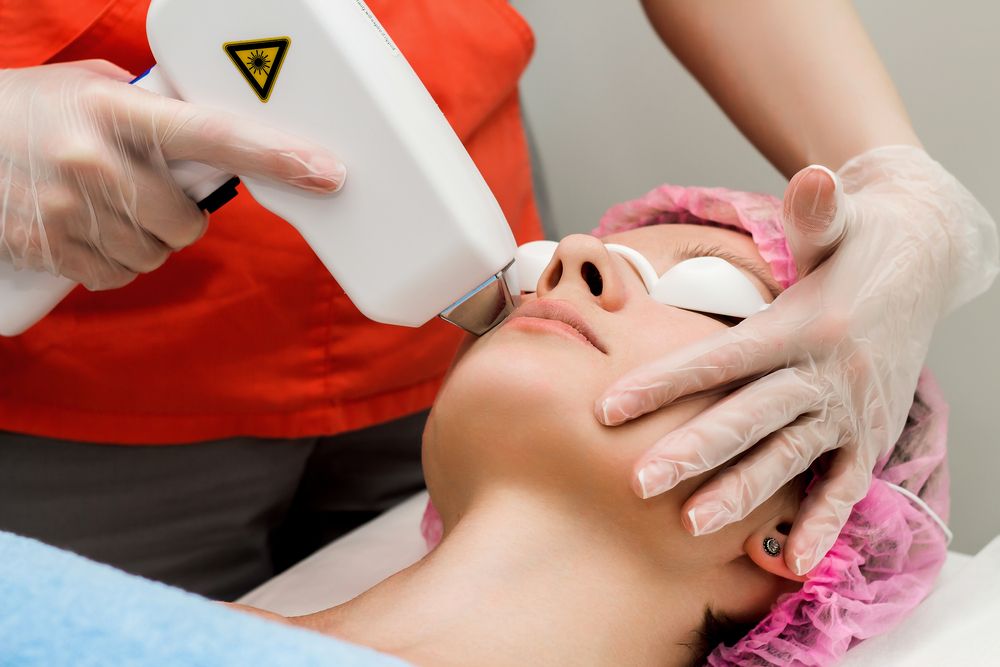
Dry eye disease is a common and often chronic condition that can significantly affect comfort, vision quality, and daily life. Many patients experience burning, redness, fluctuating vision, or a gritty sensation that doesn’t improve with artificial tears alone. Fortunately, advanced in-office treatments such as Intense Pulsed Light (IPL) and Radiofrequency (RF) therapy are helping patients find long-term relief.
Understanding Dry Eye Disease
Dry eye occurs when the eyes do not produce enough tears or when tears evaporate too quickly. One of the most common causes of dry eye is meibomian gland dysfunction (MGD).
The meibomian glands, located along the eyelid margins, produce oils that prevent tears from evaporating too fast. When these glands become blocked or inflamed, the tear film becomes unstable, leading to dryness, irritation, and blurred vision. Treating MGD is essential for achieving lasting dry eye relief.
What Is IPL (Intense Pulsed Light) Therapy?
IPL therapy uses controlled pulses of light applied to the skin around the eyes. This light energy targets inflammation and abnormal blood vessels that contribute to MGD and dry eye symptoms.
How IPL Helps Dry Eye:
• Reduces inflammation around the eyelids
• Improves meibomian gland function
• Decreases harmful bacteria and inflammatory mediators
• Enhances the quality of the tear film
IPL is particularly effective for patients with inflammatory dry eye, facial redness, or ocular rosacea that affects the eyelids.
What Is RF (Radiofrequency) Therapy?
Radiofrequency therapy uses gentle heat energy to warm the deeper layers of the eyelids. This heat helps liquefy thickened oils trapped in the meibomian glands, making them easier to express.
How RF Helps Dry Eye:
• Unclogs blocked meibomian glands
• Improves oil flow into the tear film
• Enhances eyelid health and gland performance
• Provides soothing, comfortable treatment sessions
RF is especially beneficial for patients whose primary issue is gland blockage rather than inflammation alone.
IPL vs RF: Which Is More Effective?
Both IPL and RF are proven, effective treatments for dry eye related to MGD. Rather than one being better than the other, they often work best in different ways:
• IPL focuses on reducing inflammation and improving the environment around the meibomian glands.
• RF targets gland obstruction by warming and softening thickened oils.
For many patients, the most effective approach is combining IPL and RF as part of a personalized treatment plan. Using both therapies together can address multiple causes of dry eye at once, leading to better symptom relief and longer-lasting results.
The best treatment depends on factors such as gland health, inflammation levels, lifestyle, and symptom severity. A dry eye evaluation allows your eye doctor to determine whether IPL, RF, or a combination of both is the best option for you.
Schedule Your Dry Eye Evaluation Today
When it comes to advanced dry eye treatment, both IPL and RF are highly effective options. IPL helps reduce inflammation and restore a healthier tear film, while RF improves meibomian gland function by clearing blockages. Many patients experience the greatest improvement when both treatments are combined as part of a customized care plan.
Schedule a dry eye consultation with Eye 2 Eye Vision Center and find out whether IPL, RF, or combination therapy is right for you. Visit our office in Williamsburg, Virginia, or call (757) 259-2300 to book an appointment today.
Quick Links
Helpful Articles
article_category: products
article_category: psychiatry
article_category: faqs
article_category: cats
article_category: general
article_category: services
article_category: technology
article_category: dogs
article_category: restorative
article_category: vision therapy
article_category: contact lenses
article_category: health
article_category: conditions
article_category: eye surgery co-management
article_category: exotic
article_category: cosmetic
article_category: surgical procedures
article_category: aesthetics
article_category: preventative
article_category: ocular disease management
article_category: eyeglasses
article_category: eye health
article_category: large animal
[]
article_category: psychiatry
article_category: faqs
article_category: cats
article_category: general
article_category: services
article_category: technology
article_category: dogs
article_category: restorative
article_category: vision therapy
article_category: contact lenses
article_category: health
article_category: conditions
article_category: eye surgery co-management
article_category: exotic
article_category: cosmetic
article_category: surgical procedures
article_category: aesthetics
article_category: preventative
article_category: ocular disease management
article_category: eyeglasses
article_category: eye health
article_category: large animal
[]
Flowbite is an open-source library of interactive components built on top of Tailwind CSS including buttons, dropdowns, modals, navbars, and more.
Check out this guide to learn how to get started and start developing websites even faster with components on top of Tailwind CSS.
All Eyecare Services
We offer a wide variety of eye care services to the Williamsburg community. Contact us with any questions about our services.
Keep In Touch
For non-urgent questions or to learn more about our services, contact us today!
Quick Links
Contact Info
- 1147 Professional Dr. Ste A,
Williamsburg, VA - Phone: (757) 259-2300
- Fax: (757) 259-2302
Hours of Operation
- Monday 8:00am - 5:00pm
- Tuesday 8:00am - 3:00pm
- Wednesday 8:00am - 3:00pm
- Thursday 8:00am - 5:00pm
- Friday Closed
- Saturday Closed
- Sunday Closed
- Monday
- Tuesday
- Wednesday
- Thursday
- Friday
- Saturday
- Sunday
- Monday
- Tuesday
- Wednesday
- Thursday
- Friday
- Saturday
- Sunday
© 2026 Eye 2 Eye Vision Center. All rights Reserved -
Accessibility Statement
-
Privacy Policy
-
Sitemap
Managed and Designed by 