Combining IPL and Radiofrequency (RF) for Chronic Dry Eye: What Williamsburg Patients Need to Know
Blog:Combining IPL and Radiofrequency (RF) for Chronic Dry Eye: What Williamsburg Patients Need to Know
Chronic dry eye can be frustrating when artificial tears only provide short-term relief. If burning, grittiness, watering, or blurry vision keeps returning, the underlying problem may involve inflammation and meibomian gland dysfunction rather than simply a lack of tears.
At Eye 2 Eye Vision Center in Williamsburg, we offer advanced dry eye treatments including OptiLight IPL and radiofrequency, or RF. For appropriate patients, combining these technologies can address different factors that contribute to evaporative dry eye.
Why Meibomian Gland Dysfunction Causes Chronic Dry Eye
The meibomian glands are tiny oil-producing glands located along the eyelids. Their oils form the outer layer of the tear film and help prevent tears from evaporating too quickly.
When these glands become clogged or stop releasing healthy oils, the tear film becomes less stable. This condition is called meibomian gland dysfunction, or MGD, and it is a common cause of evaporative dry eye.
Williamsburg patients with MGD may experience:
Burning, stinging, or gritty eyes
Redness or frequent watering
Blurry vision that changes after blinking
Contact lens discomfort
Heavy or tired-feeling eyes
Symptoms that worsen during screen use
Frequent reliance on lubricating eye drops
Because several conditions can cause similar symptoms, a dry eye evaluation is important before beginning treatment.
What Does OptiLight IPL Do?
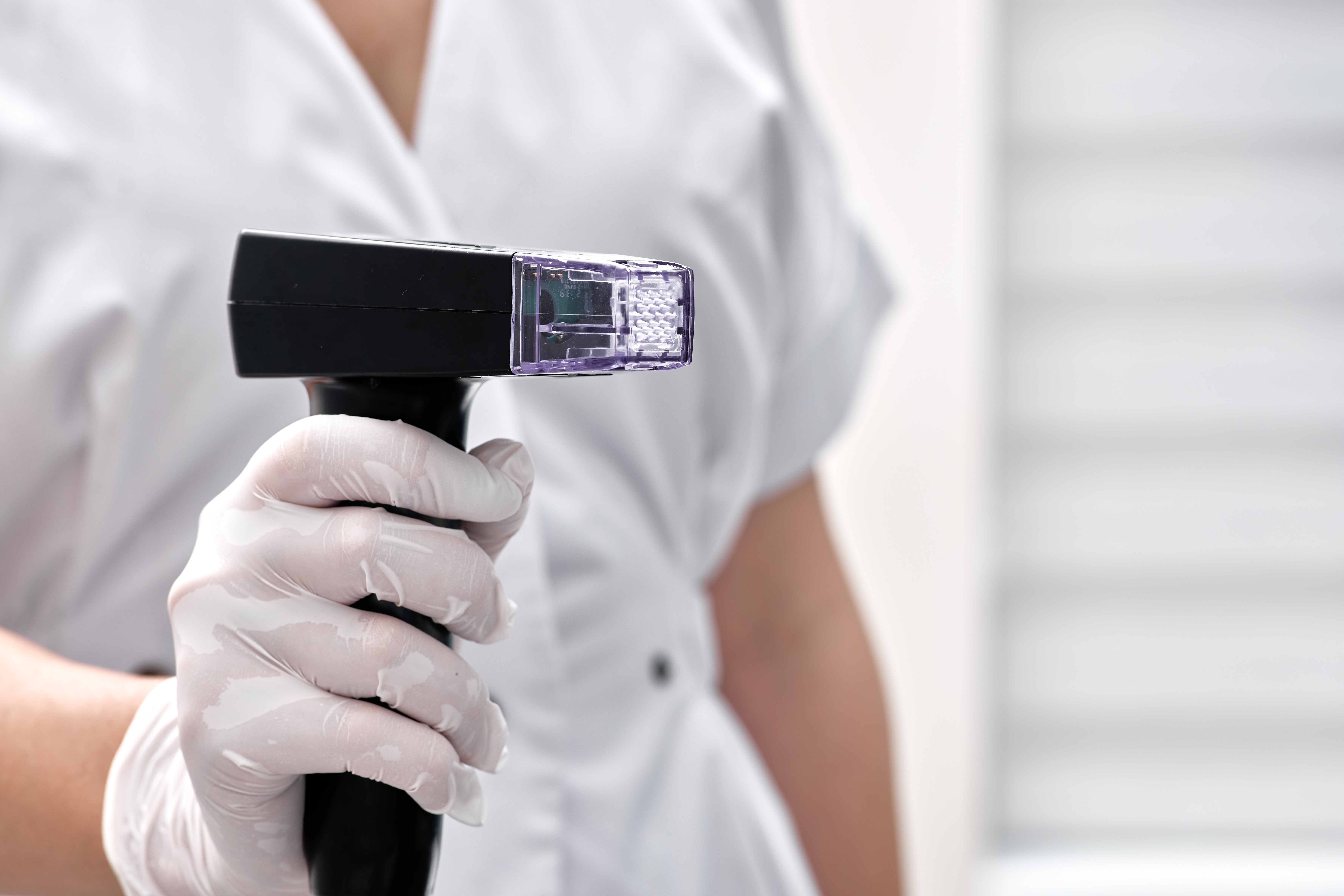
OptiLight uses precisely controlled pulses of light around the eyelids. The treatment is designed to reduce inflammation associated with dry eye and support healthier meibomian gland function.
Inflammation can interfere with the normal environment surrounding the oil glands. By addressing this component of MGD, OptiLight may help improve tear-film stability and reduce recurring irritation.
Treatment is typically performed as a series of sessions rather than as a single appointment.
How Does Radiofrequency Help Dry Eye?
Radiofrequency treatment takes a different approach. RF delivers controlled thermal energy to the eyelid area, gently warming the tissues and meibomian glands.
When oils inside the glands become thickened, they may not flow properly. Heat can help soften these secretions so the glands can release oil more effectively. Healthier oil flow can improve the protective outer layer of the tear film and slow excessive evaporation.
Why Combine IPL and RF?
IPL and RF target different aspects of MGD, which is why combining them may be appropriate for some Williamsburg dry eye patients.
IPL primarily focuses on inflammation and the environment surrounding the meibomian glands. RF focuses on warming the glands and helping thickened oils flow more freely.
Using both approaches can therefore address inflammation and gland obstruction within the same overall treatment plan. Recent clinical research has found improvements in dry eye symptoms, tear stability, and meibomian gland function with combined IPL and RF treatment. However, results vary, and combination therapy is not automatically necessary for every patient.
Is Combination Treatment Better Than Eye Drops?
Artificial tears remain useful for adding temporary moisture to the eye surface, but they may not correct blocked glands or underlying inflammation.
Advanced treatment is intended to address factors contributing to chronic dry eye rather than simply covering the eye with additional lubrication. Some patients may still benefit from artificial tears, prescription drops, eyelid hygiene, gland expression, or other treatments alongside IPL and RF.
Our goal is not to replace every eye drop. It is to determine why your symptoms keep returning and build treatment around that cause.
Who Is a Good Candidate?
The first step is evaluating your tear film, eyelids, meibomian glands, symptoms, and overall eye health. Patients with evaporative dry eye related to MGD may be candidates for IPL, RF, or a combination of the two.
Someone with primarily aqueous-deficient dry eye may require a different approach. This is why personalized testing is more useful than choosing a treatment based on symptoms alone.
If chronic burning, watering, grittiness, or fluctuating vision is interfering with your daily comfort, schedule a dry eye evaluation with Eye 2 Eye Vision Center at 1147 Professional Dr., Ste A, Williamsburg, VA 23185 by calling (757) 259-2300. We can evaluate your meibomian glands and determine whether OptiLight IPL, radiofrequency, or a personalized combination of dry eye therapies is appropriate for you.
Quick Links
Helpful Articles
article_category: products
article_category: psychiatry
article_category: faqs
article_category: cats
article_category: general
article_category: services
article_category: technology
article_category: dogs
article_category: restorative
article_category: vision therapy
article_category: contact lenses
article_category: health
article_category: conditions
article_category: eye surgery co-management
article_category: exotic
article_category: cosmetic
article_category: surgical procedures
article_category: aesthetics
article_category: preventative
article_category: ocular disease management
article_category: eyeglasses
article_category: eye health
article_category: large animal
[]
article_category: psychiatry
article_category: faqs
article_category: cats
article_category: general
article_category: services
article_category: technology
article_category: dogs
article_category: restorative
article_category: vision therapy
article_category: contact lenses
article_category: health
article_category: conditions
article_category: eye surgery co-management
article_category: exotic
article_category: cosmetic
article_category: surgical procedures
article_category: aesthetics
article_category: preventative
article_category: ocular disease management
article_category: eyeglasses
article_category: eye health
article_category: large animal
[]
Flowbite is an open-source library of interactive components built on top of Tailwind CSS including buttons, dropdowns, modals, navbars, and more.
Check out this guide to learn how to get started and start developing websites even faster with components on top of Tailwind CSS.
All Eyecare Services
We offer a wide variety of eye care services to the Williamsburg community. Contact us with any questions about our services.
Keep In Touch
For non-urgent questions or to learn more about our services, contact us today!
Quick Links
Contact Info
- 1147 Professional Dr. Ste A,
Williamsburg, VA - Phone: (757) 259-2300
- Fax: (757) 259-2302
Hours of Operation
- Monday 8:00am - 5:00pm
- Tuesday 8:00am - 3:00pm
- Wednesday 8:00am - 3:00pm
- Thursday 8:00am - 5:00pm
- Friday Closed
- Saturday Closed
- Sunday Closed
- Monday
- Tuesday
- Wednesday
- Thursday
- Friday
- Saturday
- Sunday
- Monday
- Tuesday
- Wednesday
- Thursday
- Friday
- Saturday
- Sunday
© 2026 Eye 2 Eye Vision Center. All rights Reserved -
Accessibility Statement
-
Privacy Policy
-
Sitemap
Managed and Designed by 