
Beyond the Eye Drops: Why Optilight IPL and RF are the "Total Reset" for Severe Dry Eye.
Blog:Beyond the Eye Drops: Why Optilight IPL and RF are the "Total Reset" for Severe Dry Eye.
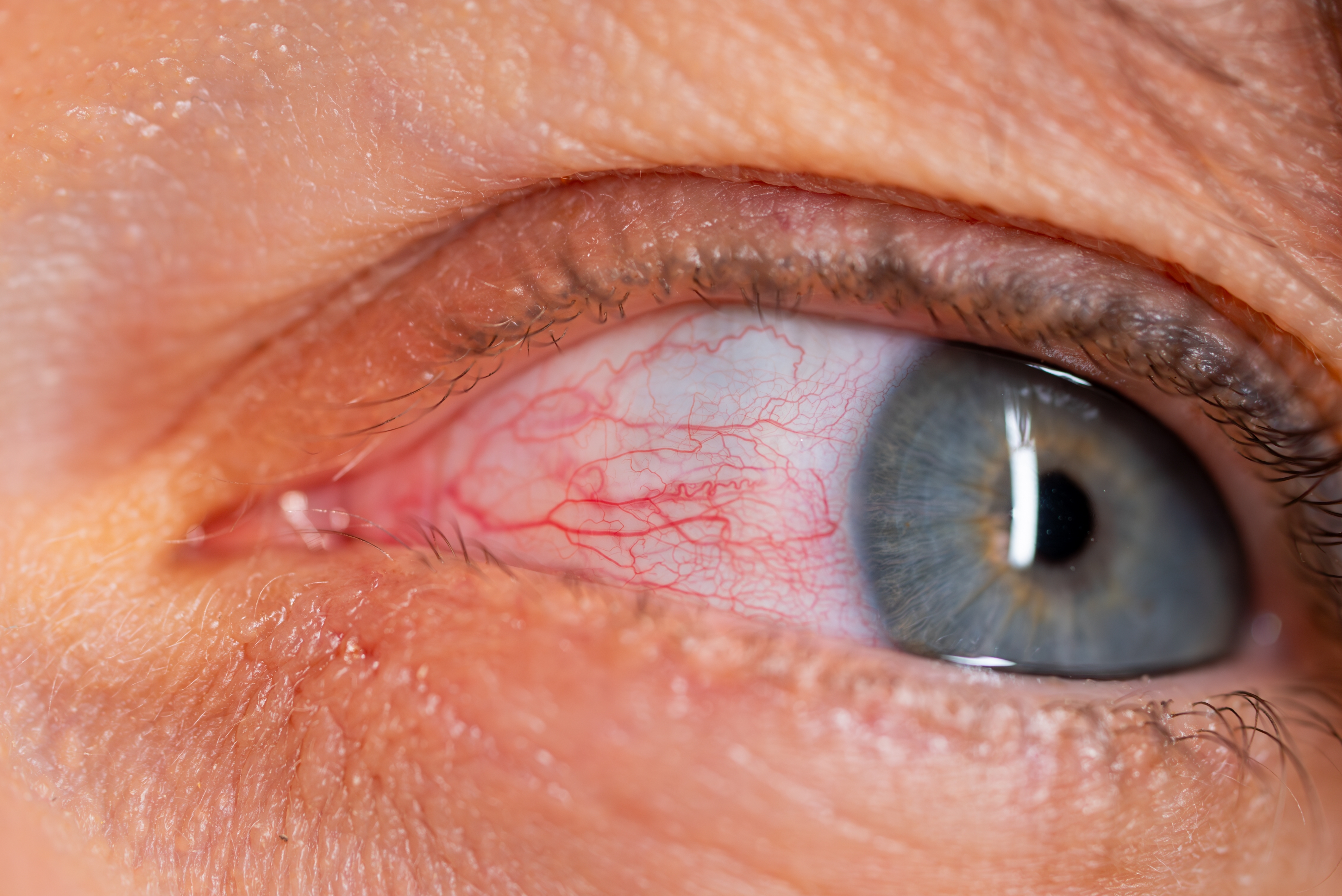
When dry eye keeps coming back, over-the-counter drops may only provide short-term relief. For many patients in Williamsburg, chronic dryness, burning, watering, gritty eyes, and blurry vision are signs that the problem is deeper than a lack of moisture. At Eye 2 Eye Vision Center, advanced dry eye treatment with OptiLight IPL and RF can help target the underlying causes of severe dry eye instead of only masking symptoms.
Why Severe Dry Eye Needs More Than Drops
Dry eye disease often develops when the tear film becomes unstable. The tear film has multiple layers, and one of the most important is the oil layer produced by the meibomian glands in the eyelids. When these glands do not work properly, tears evaporate too quickly and the eyes become irritated.
This condition is called meibomian gland dysfunction, or MGD. It is one of the most common causes of evaporative dry eye. Artificial tears can temporarily add moisture, but they do not always improve oil gland function or reduce the inflammation that keeps symptoms returning.
What Makes OptiLight IPL Different?
OptiLight IPL uses carefully controlled pulses of light around the eye area to help manage inflammation and support healthier meibomian gland function. For Williamsburg patients with dry eye linked to MGD, OptiLight IPL may help improve tear quality and reduce the cycle of irritation.
The treatment is designed to be precise and comfortable. During a session, protective shields are used, gel is applied to the treatment area, and light energy is delivered to targeted areas of the skin. Treatment plans often involve a series of sessions so the eyes can respond over time.
How RF Supports Dry Eye Relief
RF, or radiofrequency treatment, uses gentle heat to warm the eyelid area and support oil gland function. Heat can help soften thickened oils that may be clogging the meibomian glands. When these oils flow better, the tear film can become more stable and the eyes may feel more comfortable.
RF can be especially helpful for patients whose dry eye symptoms are tied to poor gland expression, eyelid inflammation, or tear evaporation. When used with OptiLight IPL, RF may provide a more complete approach by addressing both inflammation and gland performance.
Why Patients Call It A "Total Reset"
OptiLight IPL and RF do not simply coat the eyes with temporary moisture. They are designed to help improve the environment that allows the eyes to stay lubricated naturally. This is why many patients think of advanced dry eye treatment as a reset for the tear system.
These treatments may be recommended for patients who experience:
- Burning, stinging, or gritty eyes
- Redness or watering that keeps returning
- Blurry vision that improves after blinking
- Contact lens discomfort
- Dryness that worsens with screens or air conditioning
- Meibomian gland dysfunction or evaporative dry eye
A dry eye evaluation helps determine whether OptiLight IPL, RF, or another treatment is the right fit.
What To Expect During Treatment
Before recommending treatment, your eye doctor will evaluate your symptoms, tear film, eyelids, and meibomian glands. This helps identify whether your dry eye is caused by MGD, inflammation, poor tear quality, low tear production, or a combination of factors.
At Eye 2 Eye Vision Center in Williamsburg, OptiLight IPL treatment typically involves a series of visits. Your provider will explain the process, review aftercare, and discuss whether additional therapies such as gland expression, prescription drops, eyelid hygiene, or at-home care should be part of your plan.
When To Schedule A Dry Eye Evaluation
If you have tried several eye drops and still feel dry, irritated, or visually unstable, it may be time to look beyond temporary relief. Severe dry eye can affect reading, driving, screen use, contact lens wear, and daily comfort. A professional dry eye evaluation can uncover the cause and help you choose a treatment plan that addresses the condition more directly.
Schedule your OptiLight IPL and RF dry eye consultation with Eye 2 Eye Vision Center at 1147 Professional Dr. Ste A, Williamsburg, VA 23185. Call or text (757) 259-2300 to book your appointment.
Quick Links
Helpful Articles
article_category: products
article_category: psychiatry
article_category: faqs
article_category: cats
article_category: general
article_category: services
article_category: technology
article_category: dogs
article_category: restorative
article_category: vision therapy
article_category: contact lenses
article_category: health
article_category: conditions
article_category: eye surgery co-management
article_category: exotic
article_category: cosmetic
article_category: surgical procedures
article_category: aesthetics
article_category: preventative
article_category: ocular disease management
article_category: eyeglasses
article_category: eye health
article_category: large animal
[]
article_category: psychiatry
article_category: faqs
article_category: cats
article_category: general
article_category: services
article_category: technology
article_category: dogs
article_category: restorative
article_category: vision therapy
article_category: contact lenses
article_category: health
article_category: conditions
article_category: eye surgery co-management
article_category: exotic
article_category: cosmetic
article_category: surgical procedures
article_category: aesthetics
article_category: preventative
article_category: ocular disease management
article_category: eyeglasses
article_category: eye health
article_category: large animal
[]
Flowbite is an open-source library of interactive components built on top of Tailwind CSS including buttons, dropdowns, modals, navbars, and more.
Check out this guide to learn how to get started and start developing websites even faster with components on top of Tailwind CSS.
All Eyecare Services
We offer a wide variety of eye care services to the Williamsburg community. Contact us with any questions about our services.
Keep In Touch
For non-urgent questions or to learn more about our services, contact us today!
Quick Links
Contact Info
- 1147 Professional Dr. Ste A,
Williamsburg, VA - Phone: (757) 259-2300
- Fax: (757) 259-2302
Hours of Operation
- Monday 8:00am - 5:00pm
- Tuesday 8:00am - 3:00pm
- Wednesday 8:00am - 3:00pm
- Thursday 8:00am - 5:00pm
- Friday Closed
- Saturday Closed
- Sunday Closed
- Monday
- Tuesday
- Wednesday
- Thursday
- Friday
- Saturday
- Sunday
- Monday
- Tuesday
- Wednesday
- Thursday
- Friday
- Saturday
- Sunday
© 2026 Eye 2 Eye Vision Center. All rights Reserved -
Accessibility Statement
-
Privacy Policy
-
Sitemap
Managed and Designed by 